
Last updated September 11, 2026
Full 25-point door and opener safety check with every visit - springs, cables, rollers, tracks, and your LiftMaster or Chamberlain opener included
You get a price before we start. It does not change when the truck arrives.
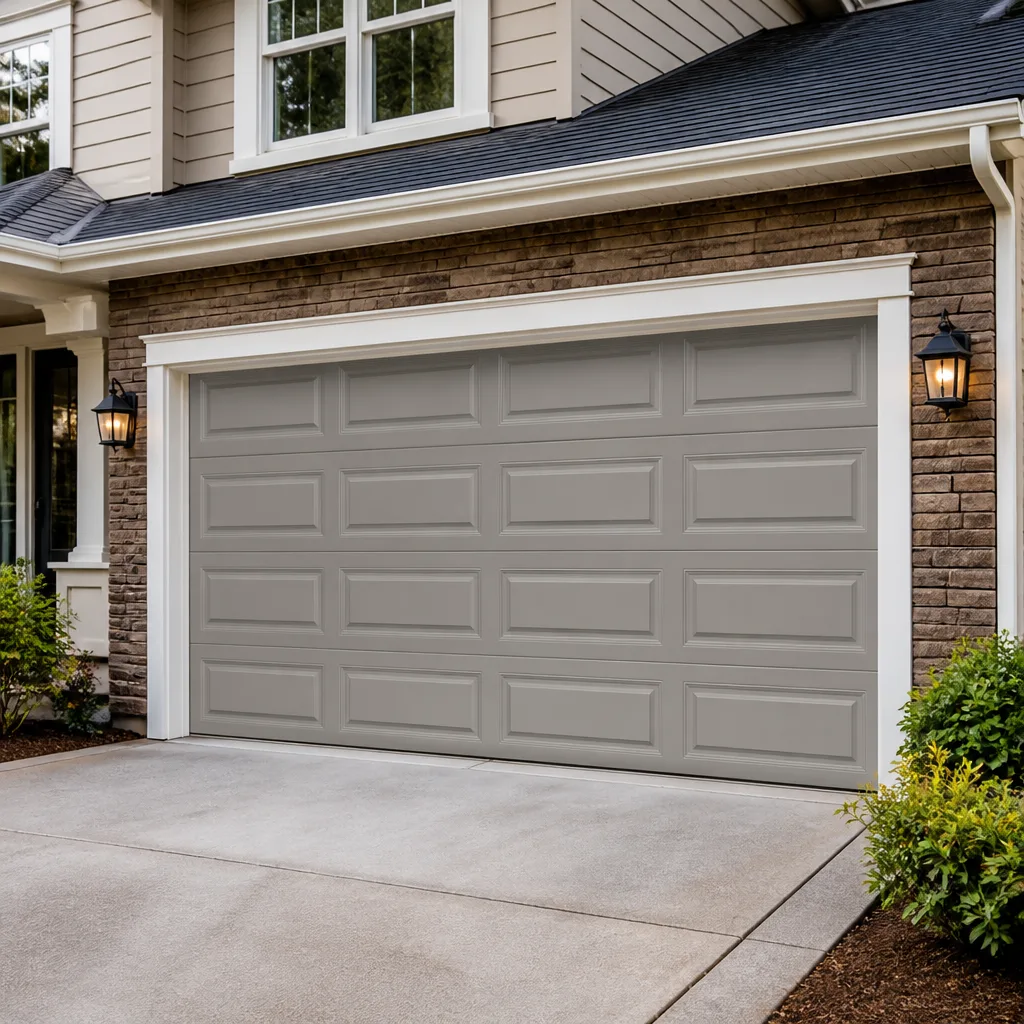
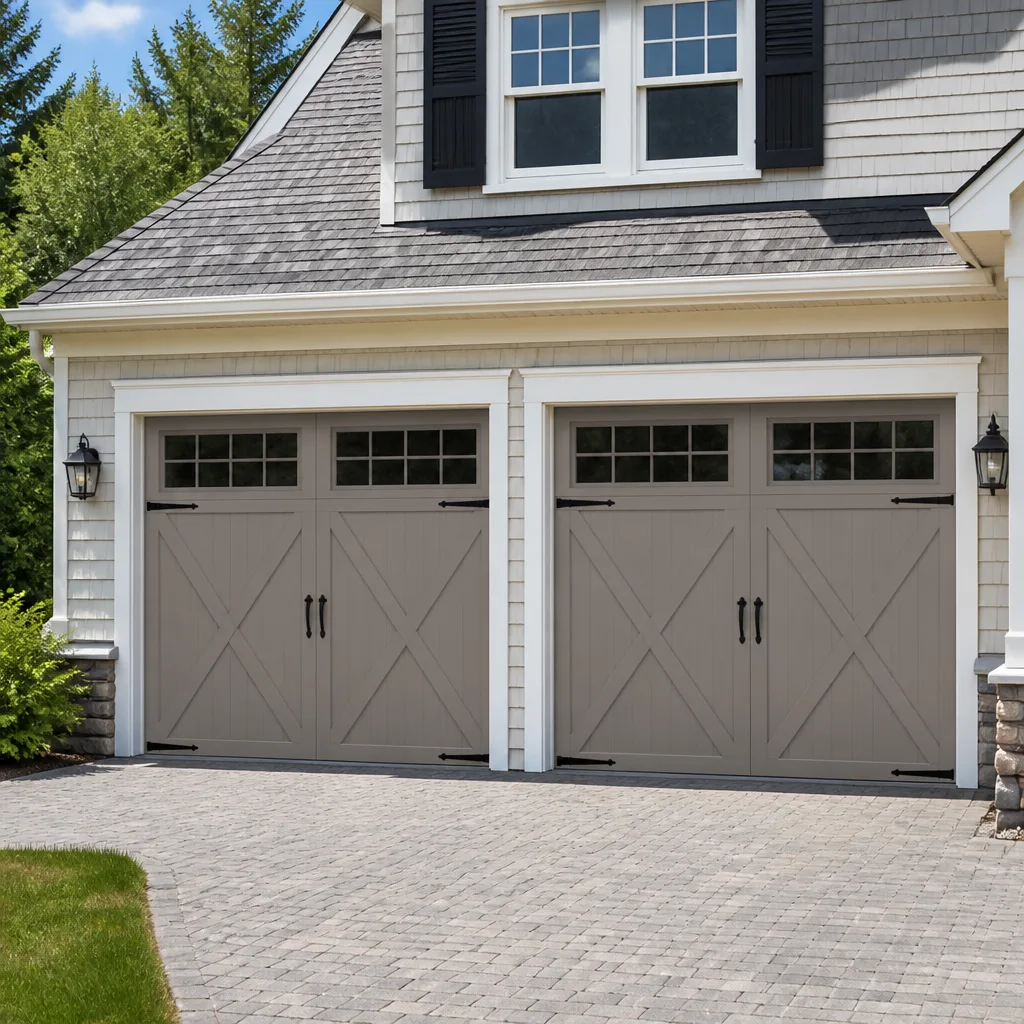
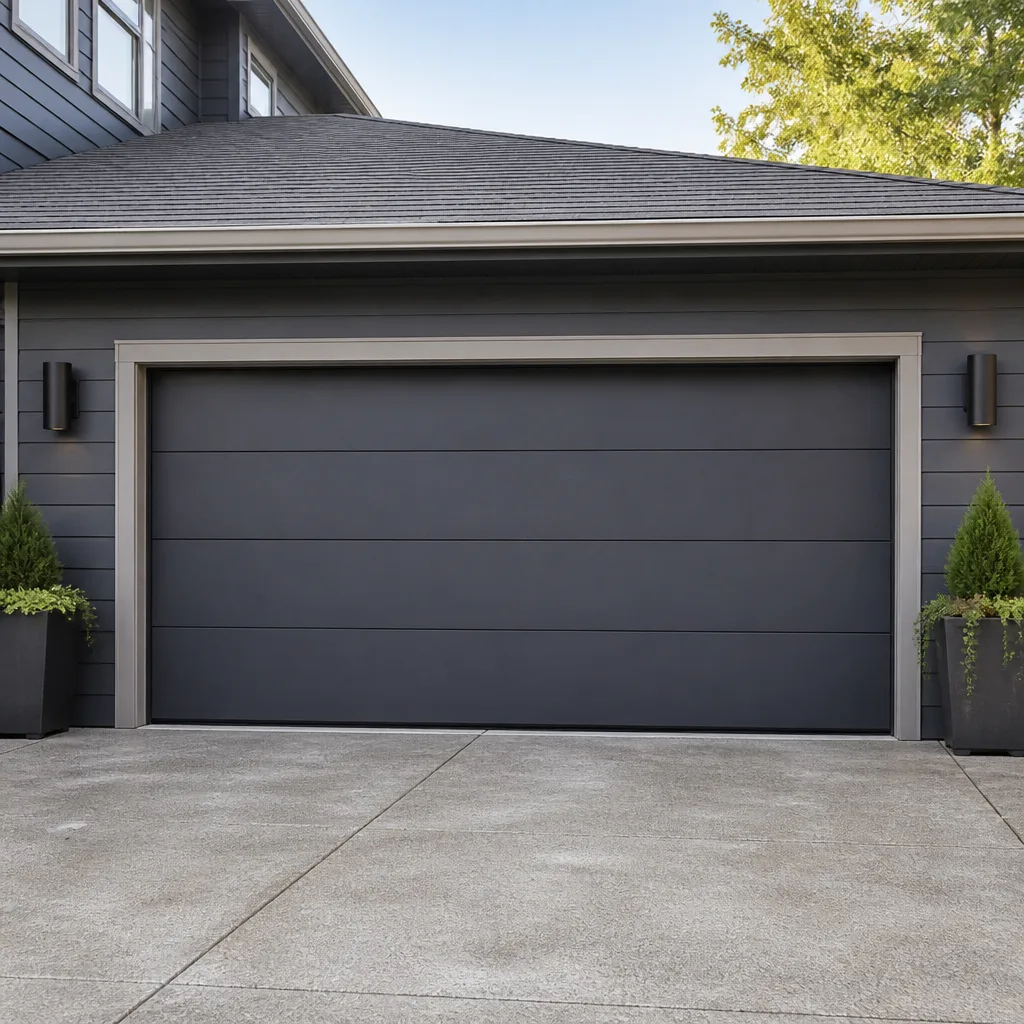
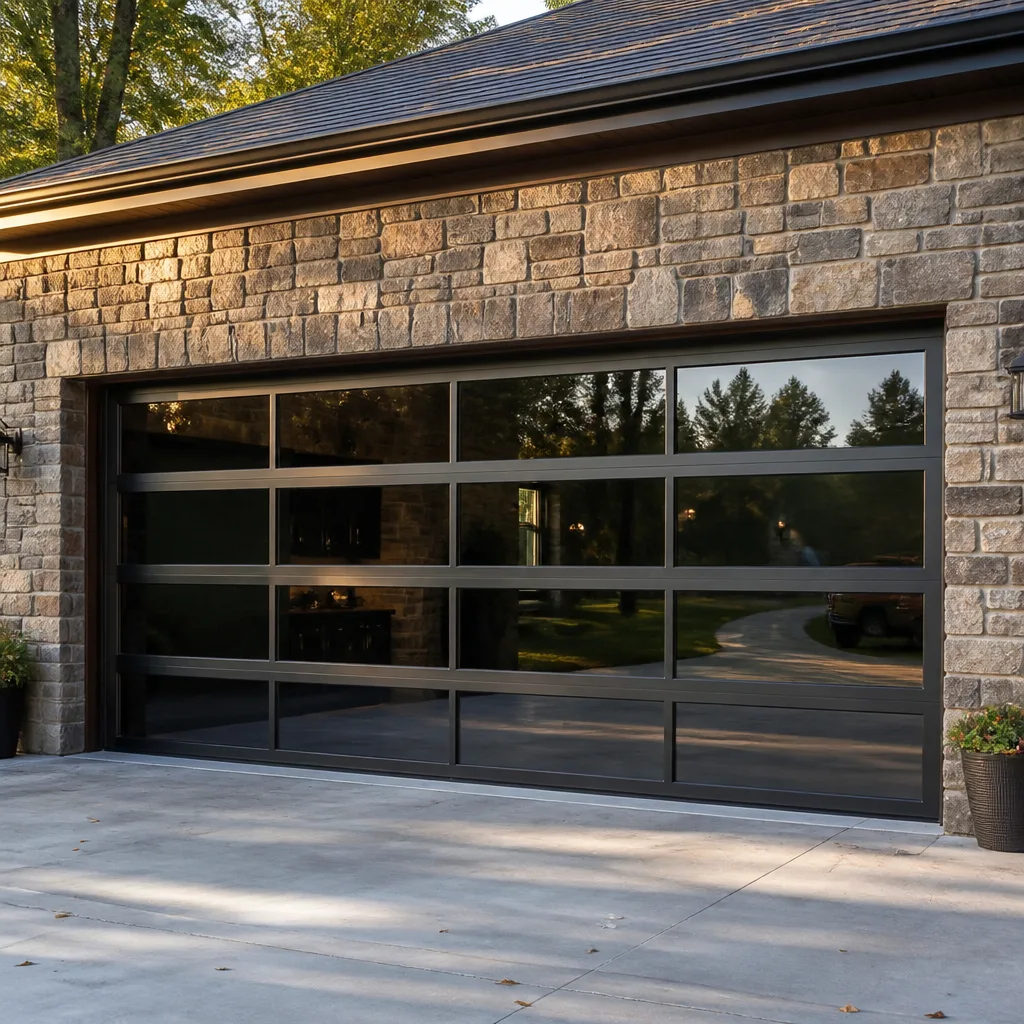
 Before
 After
After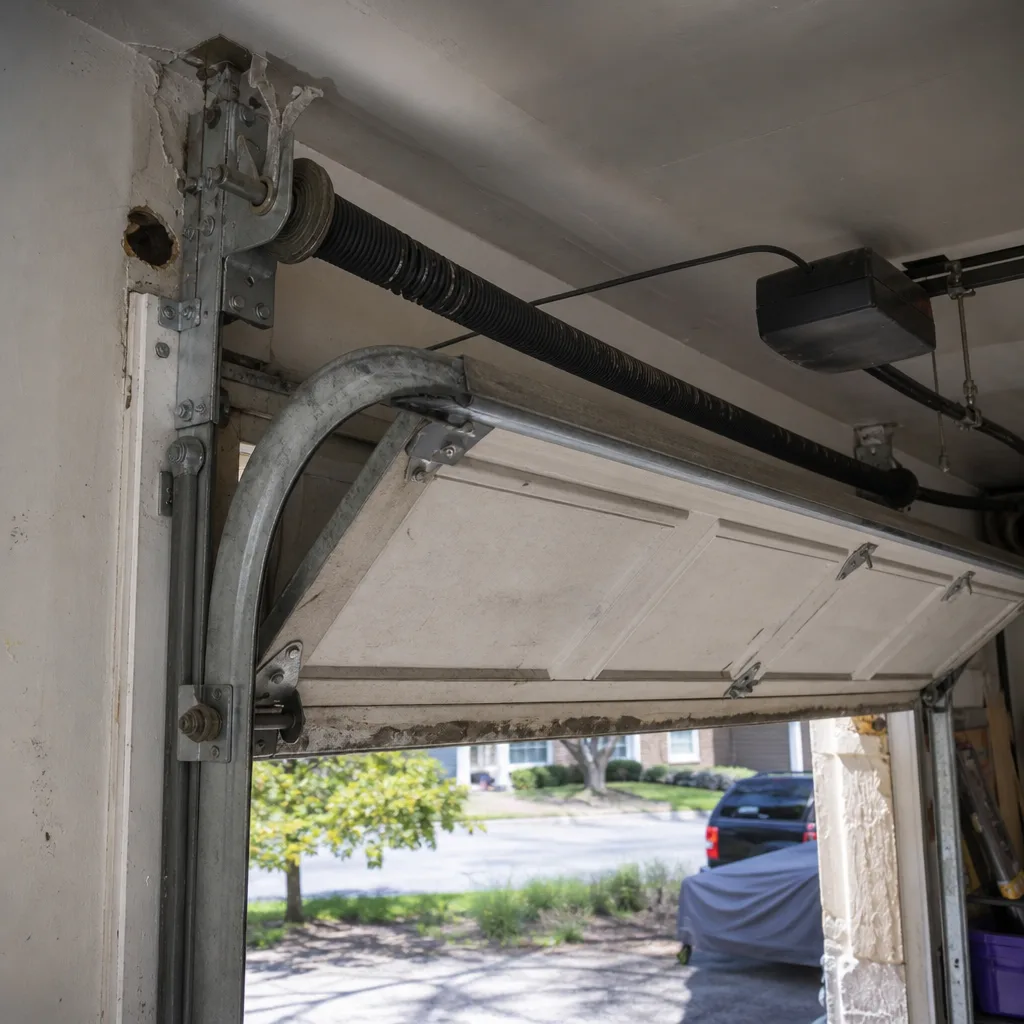 Before
 After
After Before
 After
AfterGarage Door Warning Signs: A Alamo Heights Homeowner’s Reference Guide
The grinding noise that started last month is not the door “breaking in.” It is a roller bearing that has already lost its cage and is eating into the track. In Alamo Heights, where summer humidity swells wooden door panels and limestone dust works into every moving joint, garage doors fail in predictable patterns. The homeowners who recognize these patterns early pay for a spring or a cable. The ones who wait pay for an emergency call, a bent track, and sometimes a damaged car. Our complete guide to garage doors in Alamo Heights teaches pattern recognition, not panic. You will learn to read sound, movement, and visual cues from the ground, without touching anything under load, and to know which signals allow a scheduled repair and which mean park outside until a technician arrives.
Quick Answer
Garage doors warn of failure through four channels: sound (squealing, grinding, popping, rattling), movement (lag, uneven travel, bounce at close), visual wear (frayed cables, cracked springs, rust on hardware), and safety-system behavior (unexpected reversal, sensor misalignment). Catching these early typically costs $180-$340 for a spring or cable repair in Alamo Heights. Ignoring them leads to $800-$1,400+ for track replacement, panel damage, or emergency after-hours service.
Table of Contents
- Sound-Based Diagnostic Index: What Your Garage Door Is Telling You
- Visual Checks from the Ground: Reading Tension, Wear, and Rust
- The Movement Tests: Lag, Uneven Travel, and Bounce at Close
- When “Works Fine” Is a Safety System Failure
- Honest Triage: Schedule This Week or Park Outside Now
- Alamo Heights-Specific Factors: Climate, Soil, and Local Conditions
- Common Mistakes to Avoid
- When to Call a Professional
- Frequently Asked Questions
Sound-Based Diagnostic Index: What Your Garage Door Is Telling You
Sound travels faster than visual deterioration. A homeowner in Terrell Hills or Olmos Park who knows what to listen for can call for service two weeks before the door fails completely. Here is what we hear on service calls across Alamo Heights, and what each sound means for your timeline.
Squealing or Whining
This is the most common early warning, and the most often ignored. Squealing indicates dry rollers, worn hinges, or a belt-drive opener whose tensioner is slipping. In Alamo Heights, where limestone dust coats every surface from March through October, unlubricated metal parts grind against grit rather than oil, making seasonal garage door care especially important.
What to do: Schedule a tune-up within two weeks. Our $89 Seasonal Tune-Up includes lubrication of all moving parts, roller inspection, and opener belt or chain tension adjustment. Squealing does not demand emergency service, but it does demand action. Left untreated, dry rollers seize, and the opener motor strains until its gears strip.
Grinding or Growling
Grinding is squealing’s angry cousin. It means metal is already eating metal. Common sources: a roller bearing that has disintegrated, a cable drum chewing against a bent end bearing, or a stripped nylon gear inside the opener housing.
What to do: Stop operating the door. Grinding generates metal shavings that contaminate every other component. In our experience, a grinding roller will destroy its track section within ten cycles. This is a fix-it-now signal. Call for same-day service if possible.
Popping or Snapping Sounds
A single loud pop, often followed by the door dropping several inches or going crooked, is a broken spring. Torsion springs store roughly 10,000 foot-pounds of torque in a standard two-car door. When they break, the sound is unmistakable. Some homeowners describe it as a gunshot.
What to do: Do not attempt to open the door. The opener is not designed to lift full door weight, and forcing it will strip the opener gears or warp the top section. Park outside and call for emergency service. This is non-negotiable. Torsion spring replacement requires specialized winding bars and training. The stored energy can cause serious injury or death.
Rattling or Shaking
Rattling during travel usually indicates loose hardware: lag screws backing out of the jamb, roller bolts vibrating in their hinges, or a track bracket that has worked loose from repeated vibration. In Alamo Heights homes built in the 1950s and 1960s, original wood framing can soften, and fasteners lose their bite.
What to do: Inspect visible fasteners with the door closed. Tighten anything obviously loose with a socket wrench. If rattling persists, the issue may be a worn roller or a track out of plumb. Schedule service within the week.
Table: Sound-Based Triage
| Sound | Likely Source | Timeline | Action |
|---|---|---|---|
| Squealing/whining | Dry rollers, worn hinges, belt tensioner | 2-4 weeks | Schedule tune-up |
| Grinding/growling | Failed bearing, stripped gear, cable drum wear | 24-48 hours | Stop use; call for repair |
| Popping/snapping | Broken torsion or extension spring | Immediate | Do not operate; emergency call |
| Rattling/shaking | Loose hardware, worn roller, track misalignment | 1-2 weeks | Tighten visible fasteners; schedule inspection |
Visual Checks from the Ground: Reading Tension, Wear, and Rust
You do not need to touch anything under load to assess your door’s condition. These checks take five minutes, require no tools, and can be done from a safe distance.
Step 1: Examine the Cables
Stand to one side of the door and look at the lift cables where they run from the bottom bracket up to the drum at each end of the torsion tube. What you are looking for:
- Fraying: Individual strands separating from the cable bundle. Even three broken strands mean the cable is compromised.
- Kinking: A sharp bend that does not straighten when the door moves. Kinks create stress concentration points.
- Corrosion: Rust bloom on the cable surface. In Alamo Heights, where humidity spikes after summer thunderstorms, cables on north-facing doors rust faster.
A frayed or kinked cable can snap under load. If you see either, stop using the door. Cable replacement runs $160-$280 in our market, and we carry all common sizes on every truck.
Step 2: Read the Springs
Torsion springs sit horizontally above the door. Extension springs run vertically along the track on each side. Both show wear visually.
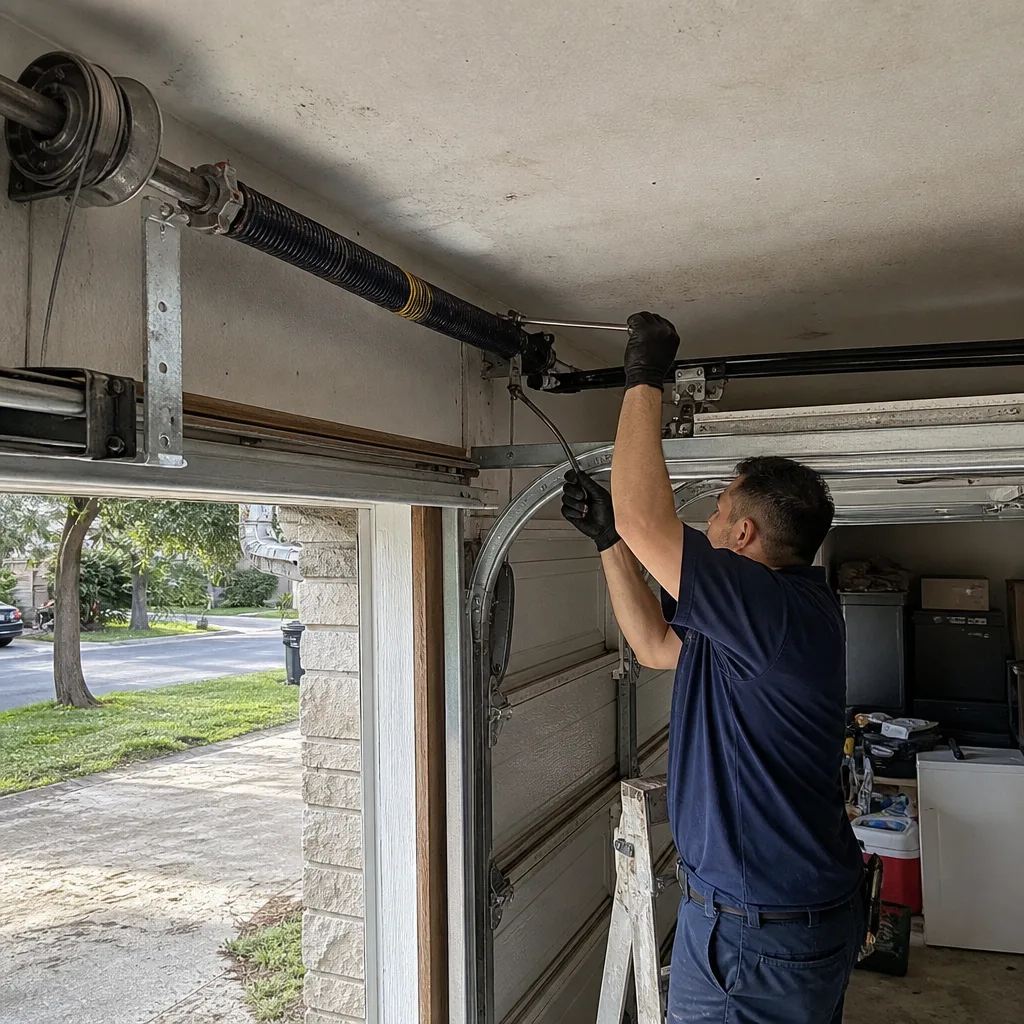
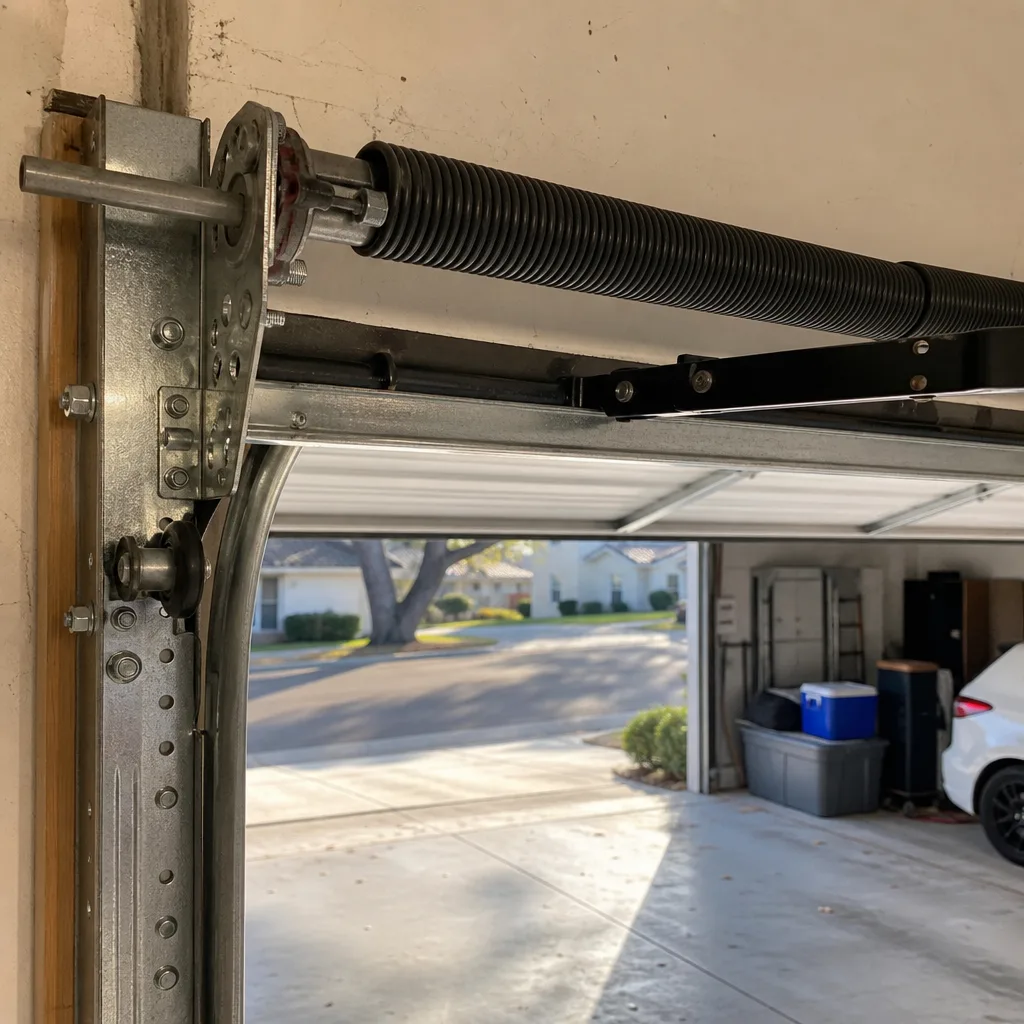
Torsion springs: Look for a gap in the coil body, rust flakes on the tube beneath, or a spring that appears stretched with visible daylight between coils when the door is closed. A properly wound spring should sit tight. Gaps mean the spring has lost tension or broken internally.
Extension springs: Check for stretched loops, rust at the hook ends, or missing safety cables (the secondary cable that runs through the spring center). Texas building code requires safety cables on all extension spring systems; if yours lack them, that is a code violation and a safety hazard.
Step 3: Assess Roller Condition
Rollers should sit squarely in the track, roll smoothly, and show no wobble. Nylon rollers develop flat spots or crack. Steel rollers rust at the bearing. In either case, the roller will eventually jump the track or seize.
Count the rollers: a standard seven-foot door has ten (two per section, plus top and bottom fixtures). If more than two show visible wear, replacement of the full set is more economical than piecemeal repair.
Step 4: Track Alignment and Hardware
Look for dents, bends, or gaps between the track and the jamb brackets. The vertical track should be perfectly plumb; the horizontal track should angle slightly down toward the back of the garage. Any twist or dip means the door will bind.
Check for rust on hinges, brackets, and fasteners. Surface rust is cosmetic. Flaking rust that exposes fresh metal underneath means the component is losing structural integrity.
The Movement Tests: Lag, Uneven Travel, and Bounce at Close
Sound and visual inspection tell you what is worn. Movement tests tell you how the system is failing as a whole. Perform these with the door in manual mode: pull the red emergency release cord with the door closed, then lift and lower by hand.
Test 1: The Balance Check
- Close the door and disengage the opener.
- Lift the door manually to waist height and release it.
- A balanced door should stay in place or drift slowly. If it falls hard, the springs are under-tensioned or broken. If it shoots upward, they are over-tensioned.
An unbalanced door strains the opener motor and wears cables unevenly. In Alamo Heights, where many homeowners run their openers twice daily for years without checking balance, we find severely unbalanced doors on roughly one in four service calls.
Test 2: Uneven Travel
Watch the door as it rises. Both sides should move at identical speed. If one side leads by more than an inch, the cause is usually:
- A broken spring on the lagging side (in extension spring systems)
- A cable that has slipped on its drum
- A seized roller binding in the track on one side
Uneven travel puts twist stress on the door panels. Steel doors tolerate this poorly; the top section will eventually buckle or separate from its stiles.
Test 3: Bounce at Close
Lower the door to within a foot of the floor, then let go. It should settle gently. If it bounces upward, the close-limit setting on the opener is incorrect, or the safety reversal system is triggering prematurely.
This is not a quirk. Under federal law (UL 325 standard), garage door openers must reverse within two seconds of contacting an obstruction. A door that bounces before contact has a misaligned or failed safety system. We address this in the next section.
Test 4: The Lag Test
Re-engage the opener and press the wall button. The door should begin moving within one second. A delay of two seconds or more indicates opener gear wear, a failing capacitor, or binding in the door system that the opener struggles to overcome.
Lag is often the first sign of opener failure. Catching it early allows scheduled replacement of the opener unit. Waiting means the opener dies completely, often at the worst possible moment, with the door stuck open or closed.
When “Works Fine” Is a Safety System Failure
The most dangerous warning sign is the one homeowners dismiss as inconvenience. A door that reverses unexpectedly, stops mid-travel, or requires holding the wall button to close is not “quirky.” It is a safety system failure, and federal code treats it as such.
The UL 325 Standard and What It Requires
Since 1993, all residential garage door openers must include two independent safety systems: mechanical (force-sensing reversal) and electronic (photoelectric eyes, commonly called “safety sensors”). The mechanical system must reverse the door within two seconds of contacting a 1.5-inch test block placed on the floor. The electronic system must reverse the door immediately if the infrared beam between the two sensors is interrupted.
A door that reverses before contacting anything has a misaligned or dirty sensor. A door that does not reverse when the beam is broken has a failed sensor or wiring fault. Both conditions violate UL 325 and create liability exposure for the homeowner.
Why This Matters in Alamo Heights
Alamo Heights has one of the highest percentages of original garage door installations in Bexar County. Homes built before 1993 may have openers that predate the UL 325 requirement. We still encounter these in neighborhoods like Bluebonnet Hills and Cassidy Estates. If your opener lacks photoelectric eyes, it is not merely old. It is non-compliant with current safety standards, and most insurance policies will not cover injury claims involving non-compliant equipment.
Even newer openers fail. Sensor lenses cloud with dust and pollen. Brackets get bumped by garbage cans or bicycle handlebars. Wiring corrodes at splice points. The test is simple: wave a broomstick through the sensor path while the door is closing. It should reverse immediately. Test monthly.
The Wall-Button Workaround
Holding the wall button to force the door closed bypasses the safety sensors entirely. This is a temporary measure for a known obstruction, not a permanent solution for misaligned sensors. If you find yourself holding the button regularly, the sensors need adjustment or replacement. We carry replacement sensors for all major brands, including LiftMaster, Chamberlain, and Genie, and align them with a laser level, not by eye.
Honest Triage: Schedule This Week or Park Outside Now
Not every warning sign demands emergency response. Some allow deliberate scheduling. Others mean the door is unsafe to operate. Here is the distinction we use on every service call.
Schedule Within the Week
- Squealing or whining without other symptoms
- Single worn roller with no track damage
- Remote or keypad intermittent failure (likely battery or interference)
- Cosmetic rust on hardware with no structural compromise
- Minor seal or weatherstripping deterioration
These conditions worsen gradually. A scheduled repair during normal hours costs less than emergency rates, and our trucks carry the parts to complete most jobs in a single visit.
Schedule Within 24 Hours
- Grinding or growling during operation
- Door off-track but still supported by cables
- Opener lag or strain with no complete failure
- Two or more worn rollers
- Sensor misalignment that causes occasional reversal
These conditions will fail completely, but not immediately. Same-day or next-day service prevents the secondary damage that turns a $240 repair into an $1,100 replacement.
Park Outside and Call for Emergency Service
- Broken spring (single loud pop, door drops, visible gap in coil)
- Frayed or snapped lift cable
- Door hanging from one side or completely off-track with cables slack
- Opener running but door not moving (stripped gears or broken coupler)
- Safety sensors completely non-functional with no bypass possible
Operating a door with any of these conditions risks personal injury, property damage, or catastrophic opener failure. Our phones are staffed by a live person 24/7, including nights, weekends, and holidays. We answer, we dispatch, and we arrive with the parts to finish the job.
Alamo Heights-Specific Factors: Climate, Soil, and Local Conditions
Garage doors in Alamo Heights face conditions that accelerate wear compared to national averages. Understanding these local factors helps explain why a door that lasted twenty years in Michigan may need attention after twelve here. For ongoing maintenance tips, see our more guides & resources.
Humidity and Wood Door Panels
Alamo Heights averages 65% annual humidity, with summer spikes above 80%. Solid wood and wood-composite doors absorb moisture, swell, and stress their hardware. We see hinge tears and panel warp most often in the older neighborhoods east of Broadway, where original wood doors remain common. If your wood door sticks seasonally, the hardware is working harder than designed, and hinge or roller failure follows.
Limestone Dust and Grit
The Edwards Plateau limestone that underlies Alamo Heights generates fine, abrasive dust. It settles on tracks, works into roller bearings, and accelerates wear on every moving surface. Doors on unpaved alleys or homes near construction sites show this most severely. Regular lubrication with a silicone-based product, not WD-40, is essential. WD-40 evaporates and leaves a sticky residue that attracts more grit.
Clay Soil and Foundation Movement
The expansive clay soils of Bexar County swell with rain and shrink in drought. This shifts garage slabs and frames, throwing tracks out of alignment. A door that operated smoothly in March may bind by August. If your home has visible foundation cracks or doors that stick inside the house, your garage door track alignment needs annual checking.
Historic District Considerations
Portions of Alamo Heights fall under historic preservation guidelines that restrict visible changes to street-facing garage doors. If you are considering replacement, check with the Alamo Heights city planning office before selecting materials or styles. We are familiar with these requirements and can specify compliant options from Clopay, Amarr, and other manufacturers that preserve historic character while meeting current wind-load and insulation codes.
Common Mistakes to Avoid
- Ignoring a new sound because “it’s always made noise.” Garage doors do not break in. A new sound is a new problem. The homeowner who tells us “it’s been grinding for months” is the one who needs a track replacement, not just a roller.
- Applying WD-40 to rollers or hinges. WD-40 is a solvent and water displacer, not a lubricant. It strips existing grease, attracts dust, and turns into grinding paste. Use silicone spray or white lithium grease on garage door components.
- Testing the door balance with the opener engaged. The balance test requires manual operation. Testing with the opener engaged tells you nothing about spring condition and risks opener damage if the door is severely unbalanced.
- Attempting DIY spring replacement after watching an online video. Torsion springs are under lethal tension. We have been called to homes where a homeowner’s wrench slipped, the winding bar became a projectile, and the resulting injury required emergency room treatment. This is not a cost-saving opportunity. It is a risk that tradespeople train for years to manage safely.
- Assuming a door that reverses is “just sensitive.” Sensitivity is not a personality trait of garage doors. Unexpected reversal means a safety system is compromised, and operating the door bypasses protection required by federal law.
- Waiting for “one more month” to schedule non-urgent maintenance. In Alamo Heights, that month often includes a heat wave that swells panels, a thunderstorm that raises humidity, or a cold snap that contracts metal. Deferred maintenance becomes emergency repair on the schedule of the weather, not the homeowner.
- Replacing the opener without checking door balance and hardware. A new opener on a failing door system will fail prematurely. We always inspect the full mechanical system before recommending opener replacement. The $89 Seasonal Tune-Up often reveals issues that would void a new opener warranty if unaddressed.
When to Call a Professional
Call when you observe any warning sign you cannot confidently diagnose and resolve yourself. Call when the repair involves components under tension or load. Call when safety systems are involved, because the liability of guessing exceeds the cost of certainty.
Carl Dutton and the team at Mainspring Garage Door Co. have served Alamo Heights since 2016, building on 42 years of company history since our founding in 1984. We answer our phones with a live person, 24/7. We arrive with springs, cables, rollers, and openers for all major brands on every truck. We state the flat price before any work begins, and we back every completed job with our 90-Day Done Right Promise in writing.
Garage Door Repair in Alamo Heights is our core service, and we also handle Garage Door Installation in Alamo Heights and Garage Door Opener in Alamo Heights when replacement is the better path. Mainspring Garage Door Co. offers free estimates in Alamo Heights. Call (830) 364-5701.
Frequently Asked Questions
Torsion spring replacement in Alamo Heights typically runs $180-$340 for a standard two-car door, depending on spring size and whether one or both springs need replacement. Extension spring systems cost slightly less. We carry all common spring sizes on our trucks and complete most spring repairs in a single visit. Call (830) 364-5701 for an exact quote - estimates are free.
You can tighten visible hardware and lubricate accessible hinges and rollers with silicone spray or white lithium grease. Do not lubricate the track itself, as this causes slip and safety issues. If noise persists after basic maintenance, the cause is likely internal bearing wear, opener gear damage, or track misalignment - all of which require professional diagnosis and repair. We do not recommend disassembling rollers or touching springs.
Unexpected reversal indicates a safety sensor issue 90% of the time. Check that both sensor lenses are clean, both indicator lights are solid (not blinking), and nothing blocks the beam path. If cleaning and alignment do not resolve it, the sensors, wiring, or logic board need professional service. This is a safety system failure, not a nuisance, and operating the door with bypassed sensors violates federal UL 325 standards.
We recommend annual inspection for doors over ten years old, and every two years for newer systems. In Alamo Heights specifically, the combination of humidity, limestone dust, and expansive clay soil accelerates wear compared to drier climates. Our $89 Seasonal Tune-Up includes full mechanical inspection, safety system testing, lubrication, and written condition report. Seniors and veterans receive a permanent 5% discount.
No. Mainspring states the flat price before any work begins. If we discover additional issues during inspection, we explain them and quote separately before proceeding. You approve every dollar. There are no surprises on the bill. This is our promise, and it is stated in writing on every job.
Yes. We are factory-familiar with all major brands including Craftsman, Raynor, LiftMaster, and Chamberlain, and our trucks stock common repair parts for each. Most repairs are completed in a single visit with no waiting on parts and no second trip. If your opener requires a discontinued component, we will explain your options clearly, including whether repair or replacement is the better value.
The Bottom Line
Your garage door warns before it fails. The grinding noise, the slight lag, the rust flake on the cable - these are not random. They are mechanical symptoms with specific causes and predictable outcomes. The homeowner who learns this language pays for a spring or a roller. The one who waits pays for the emergency call, the bent track, the damaged car, and the inconvenience of a door that will not open when you are already late.
In Alamo Heights, where climate and soil conspire against every moving part, vigilance is not paranoia. It is maintenance. Perform the visual checks monthly. Run the movement tests seasonally. Note new sounds immediately. And when a warning sign exceeds your comfort or skill, call a professional who will state the price upfront, arrive with the right parts, and stand behind the work.
Mainspring Garage Door Co. has served this community for over 42 years. We answer the phone with a live person, 24/7. We finish most jobs in a single visit. And we put our promise in writing: the 90-Day Done Right Promise, no arguing, no paperwork. That is a square deal. That is how we have done it since 1984.
Call (830) 364-5701 for a free estimate. Or stop by to talk shop. We will be here.
Written by Carl Dutton, Owner at Mainspring Garage Door Co., serving Alamo Heights since 2016.